






Experience
Seasoned asset managers with a passion for uplifting others through real estate investing opportunities.

Education
Build confidence in your ability to invest wisely with the free educational resources

Connection
Stay informed and up to date with the latest investment opportunities and company developments
About us
Maricela Soberanes and Chris Linger bring together decades of leadership, operational expertise, and real estate investing experience. Maricela began investing in real estate in 2006 by building her own rental portfolio in Austin, Texas before expanding into larger investment opportunities and business ownership. A Navy veteran, author, and healthcare professional, she is passionate about helping others understand wealth-building through real estate, financial strategy, and ownership. Chris, who holds an MBA, brings more than 27 years of military leadership and operational experience from his service in the U.S. Navy. He now focuses full-time on real estate acquisition analysis, underwriting, and asset strategy with an emphasis on disciplined execution and long-term value creation. Together, they combine service-driven leadership, education, and investment expertise to create opportunities that positively impact families, investors, and communities.
Experience
Seasoned asset managers with a passion for uplifting others through real estate investing opportunities.
Education
Build confidence in your ability to invest wisely with the free educational resources
Connection
Stay informed and up to date with the latest investment opportunities and company developments
Be the First to Know
Receive exclusive investment opportunities, and the latest investing strategies ...right to your inbox.
About Chris and Maricela
Maricela Soberanes and Chris Linger bring together decades of leadership, operational expertise, and real estate investing experience. Maricela began investing in real estate in 2006 by building her own rental portfolio in Austin, Texas before expanding into larger investment opportunities and business ownership. A Navy veteran, author, and healthcare professional, she is passionate about helping others understand wealth-building through real estate, financial strategy, and ownership. Chris, who holds an MBA, brings more than 27 years of military leadership and operational experience from his service in the U.S. Navy. He now focuses full-time on real estate acquisition analysis, underwriting, and asset strategy with an emphasis on disciplined execution and long-term value creation. Together, they combine service-driven leadership, education, and investment expertise to create opportunities that positively impact families, investors, and communities.
Be the First to Know
Receive exclusive investment opportunities, and the latest investing strategies ...right to your inbox.
Hear From Our Investors
My wife and I thank our lucky stars that we worked with Chris and Maricela, they are so organized and always willing to make a win-win situation.
- S. McDonald -
McDonald Homes
I’ve said it before, I’ll say it 100 times. We
owe our success to you both. Great mentors like you [Chris & Maricela] have
helped tremendously!
- S. Enyard -
Anchor Atlas Properties Founder
After seeing and relating to some of my frustrations, they drove two hours to help
with our four-plex renovation. Chris & Maricela are always a wealth of knowledge.
- C. Byler -
Passive Patriots Founder
Low Operational Costs
Facilities require minimal maintenance and management compared to other real estate.
High Profit Margins
Steady cash flow with low overhead leads to strong returns.


Value-Add Opportunities
Simple upgrades like security or climate control can boost income and property value.
Scalability
Easily expand by adding units or acquiring new facilities.


3 Investing Tips

Start Now
The best time to invest in real estate is now and with the right investment, you can see amazing growth in just 18 months.

Trust in Proven Returns
The best time to invest in real estate is now and with the right investment, you can see amazing growth in just 18 months.

Start Just With $50K
It takes less than you think to get started and with the right team you'll shorten your learning curve and increase your returns.
3 Investing Tips
Start Now
The best time to invest in real estate is now and with the right investment, you can see amazing growth in just 18 months.
Trust in Proven Returns
The best time to invest in real estate is now and with the right investment, you can see amazing growth in just 18 months.
Start Just With $50K
It takes less than you think to get started and with the right team you'll shorten your learning curve and increase your returns.
Schedule A Free Consultation
Invest with confidence. We’ll help you understand how to evaluate if a certain asset is right for you.
Schedule A Free Consultation
Invest with confidence. We’ll help you understand how to evaluate if a certain asset is right for you.
Our Assets
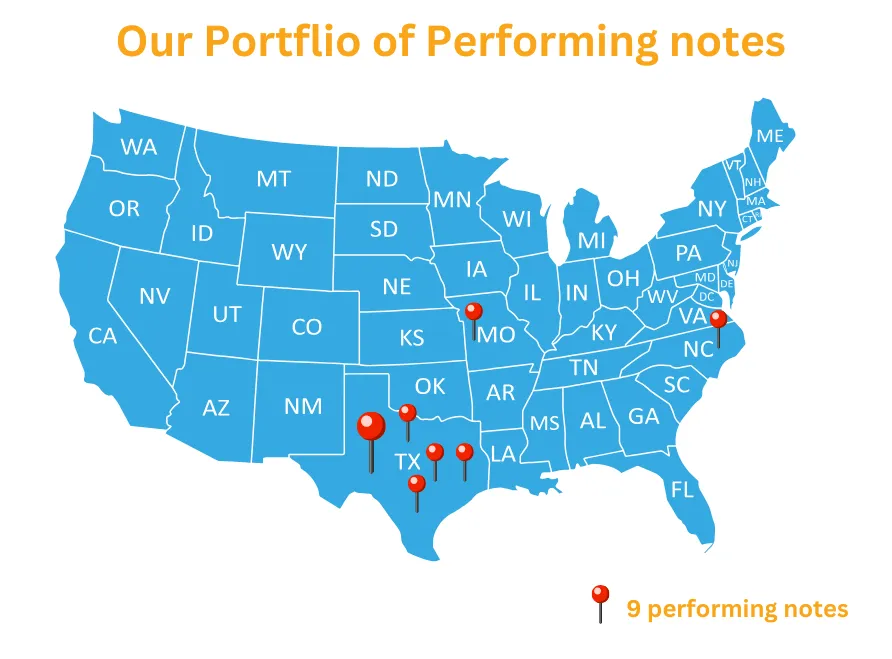
We strategically focus on a variety of asset types in order to create a strong and diverse portfolio of assets that can hedge against economic uncertainties. Creating safer investment opportunities for our investors.
Our Assets
We strategically focus on a variety of asset types in order to create a strong and diverse portfolio of assets that can hedge against economic uncertainties. Creating safer investment opportunities for our investors.
FREE Educational
Materials
Learn important investing concepts and strategies at your own pace with our "Savvy Passive Investor" series on YouTube
FREE Educational Materials
Learn important investing concepts and strategies at your own pace with our "Savvy Passive Investor" series on YouTube
Latest News
Understanding Your K-1: A Guide to Partnership & LLC Tax Form
If you’ve received a Schedule K-1, you might be wondering what it is and why it looks different from other tax forms you’re used to. That’s completely normal. K-1s can feel confusing at first, but once you understand what they’re for, they become much easier to handle.
Let’s walk through it step by step.
What Is a Schedule K-1?
A Schedule K-1 is a tax form issued by partnerships and LLCs. These types of businesses don’t pay federal income tax themselves. Instead, their income and expenses are passed through to the owners or investors.
The K-1 shows your share of the business’s income, losses, deductions, and credits for the year so you can report them on your personal tax return.
Think of it as a summary of how your investment or ownership interest performed from a tax standpoint.
Why Did I Receive One?
You received a K-1 because you have an ownership interest in a partnership or LLC—such as a real estate investment partnership or a business partnership.
👉 Important to know:
You should expect to receive one K-1 for each partnership (real estate investment or business partnership) you’re invested in.
If you invested in multiple partnerships, you’ll receive multiple K-1s, even if they’re managed by the same group.
Each year, the IRS requires these entities to report how the business performed and how that performance is allocated among its owners.
Your K-1 may include:
Income or losses
Expenses and deductions
Depreciation
Any distributions you received
Even if you didn’t receive cash during the year, the K-1 still reports your portion of the business activity.
Why Does It Look Different From Other Tax Forms?
K-1s work a bit differently than W-2s or 1099s, which is why they can feel unfamiliar.
For example:
You might see income reported even if you didn’t receive that amount in cash
Losses may appear due to depreciation or business expenses
All of this is standard and expected for partnership reporting.
When Should You Expect Your K-1?
K-1s usually arrive later than most tax documents, often around March. That’s because each partnership must complete its own tax filing before issuing K-1s to investors.
If you’re invested in multiple partnerships, they may arrive at different times, depending on when each partnership completes its return.
While the wait can feel frustrating, this timing is completely normal.
What Should You Do When You Receive It?
Once your K-1 arrives:
Share it with your tax preparer or CPA
Keep a copy for your records
Don’t hesitate to ask questions if something doesn’t make sense
Since everyone’s tax situation is different, a tax professional can help ensure the information is reported correctly—especially when multiple K-1s are involved.
Final Thoughts
A Schedule K-1 may not be the simplest tax form, but it plays an important role in reporting income from partnerships and LLCs.
Knowing that you’ll receive one K-1 per partnership—and understanding why—can make tax season much less stressful. With the right expectations and professional guidance, the K-1 becomes just another part of the process, not something to worry about.
Being informed is always a smart move.
Ready to Learn More?
Reach out today and we’ll guide you step by step, helping you understand how partnership investments work—using real examples of investors growing their retirement wealth.

LEAVE A REPLY

Check Out Our Latest BLOG Post
Understanding Your K-1: A Guide to Partnership & LLC Tax Form
If you’ve received a Schedule K-1, you might be wondering what it is and why it looks different from other tax forms you’re used to. That’s completely normal. K-1s can feel confusing at first, but once you understand what they’re for, they become much easier to handle.
Let’s walk through it step by step.
What Is a Schedule K-1?
A Schedule K-1 is a tax form issued by partnerships and LLCs. These types of businesses don’t pay federal income tax themselves. Instead, their income and expenses are passed through to the owners or investors.
The K-1 shows your share of the business’s income, losses, deductions, and credits for the year so you can report them on your personal tax return.
Think of it as a summary of how your investment or ownership interest performed from a tax standpoint.
Why Did I Receive One?
You received a K-1 because you have an ownership interest in a partnership or LLC—such as a real estate investment partnership or a business partnership.
👉 Important to know:
You should expect to receive one K-1 for each partnership (real estate investment or business partnership) you’re invested in.
If you invested in multiple partnerships, you’ll receive multiple K-1s, even if they’re managed by the same group.
Each year, the IRS requires these entities to report how the business performed and how that performance is allocated among its owners.
Your K-1 may include:
Income or losses
Expenses and deductions
Depreciation
Any distributions you received
Even if you didn’t receive cash during the year, the K-1 still reports your portion of the business activity.
Why Does It Look Different From Other Tax Forms?
K-1s work a bit differently than W-2s or 1099s, which is why they can feel unfamiliar.
For example:
You might see income reported even if you didn’t receive that amount in cash
Losses may appear due to depreciation or business expenses
All of this is standard and expected for partnership reporting.
When Should You Expect Your K-1?
K-1s usually arrive later than most tax documents, often around March. That’s because each partnership must complete its own tax filing before issuing K-1s to investors.
If you’re invested in multiple partnerships, they may arrive at different times, depending on when each partnership completes its return.
While the wait can feel frustrating, this timing is completely normal.
What Should You Do When You Receive It?
Once your K-1 arrives:
Share it with your tax preparer or CPA
Keep a copy for your records
Don’t hesitate to ask questions if something doesn’t make sense
Since everyone’s tax situation is different, a tax professional can help ensure the information is reported correctly—especially when multiple K-1s are involved.
Final Thoughts
A Schedule K-1 may not be the simplest tax form, but it plays an important role in reporting income from partnerships and LLCs.
Knowing that you’ll receive one K-1 per partnership—and understanding why—can make tax season much less stressful. With the right expectations and professional guidance, the K-1 becomes just another part of the process, not something to worry about.
Being informed is always a smart move.
Ready to Learn More?
Reach out today and we’ll guide you step by step, helping you understand how partnership investments work—using real examples of investors growing their retirement wealth.
LEAVE A REPLY
Real Results From Real Businesses
Success Stories From Our Clients
Working with Maricela Soberanes and Chris Linger has truly changed my life. Their ethics, transparency, and leadership create an environment where you genuinely grow and feel like part of a real team. Before this, my world was mainly my 9–5, but within 9 months of committed education, hard work, and applying the skills they teach, I was able to be part of closing my first real estate deal, multiply my money, create impact in communities, and learn how to keep more of what I make. Recently, while capital raising, a potential investor was so impressed by my knowledge and professionalism that I was offered an opportunity to join the board of a national organization. I truly would not be where I am today without their mentorship and the way they push their students to grow.

We met Chris and Marcella Westfall at Grant Cardone’s Real Estate Club event and immediately knew they were quality people. Not only are they extremely knowledgeable in the multifamily space, but they are also genuine, transparent, and generous with their time. Through their mentorship, consistent education, and commitment to helping others grow, we are now in the process of signing our very first GP deal. Their guidance, integrity, and passion for teaching have been incredibly motivating and impactful in our journey.
I've been investing in real estate since 2016 and I want to take a moment to thank my business coach and mentor Chris for his guidance and support. Thanks to him I've been able to successfully navigate the challenges of transitioning from small real estate deals to syndications. Chris has a wealth of knowledge and experience in real estate syndications. He's always been very generous in answering my questions and offering advise. He's been very valuable and has experience to lean on. I highly recommend Chris to anyone looking to take their business to the next level.