






Experience
Seasoned asset managers with a passion for uplifting others through real estate investing opportunities.

Education
Build confidence in your ability to invest wisely with the free educational resources

Connection
Stay informed and up to date with the latest investment opportunities and company developments
About us
Christopher Linger and Maricela Soberanes are principals at Up Plex Capital LLC. Accredited Real estate investors. Having built a personal portfolio valued at over $100M, they’ve created significant passive income for themselves and their investors by finding the best properties today’s market can offer. Maricela has a business degree and a successful medical service business since 2015. Chris has an MBA, twenty-seven years of active duty Navy services (ret), now full-time apartment syndicator.
Experience
Seasoned asset managers with a passion for uplifting others through real estate investing opportunities.
Education
Build confidence in your ability to invest wisely with the free educational resources
Connection
Stay informed and up to date with the latest investment opportunities and company developments
Be the First to Know
Receive exclusive investment opportunities, and the latest investing strategies ...right to your inbox.
About Chris and Maricela
Christopher Linger and Maricela Soberanes are principals at Up Plex Capital LLC. Accredited Real estate investors. Having built a personal portfolio valued at over $100M, they’ve created significant passive income for themselves and their investors by finding the best properties today’s market can offer. Maricela has a business degree and a successful medical service business since 2015. Chris has an MBA, twenty-seven years of active-duty Navy services (ret), now full-time apartment syndicator.
Be the First to Know
Receive exclusive investment opportunities, and the latest investing strategies ...right to your inbox.
Hear From Our Investors
My wife and I thank our lucky stars that we worked with Chris and Maricela, they are so organized and always willing to make a win-win situation.
- S. McDonald -
McDonald Homes
I’ve said it before, I’ll say it 100 times. We
owe our success to you both. Great mentors like you [Chris & Maricela] have
helped tremendously!
- S. Enyard -
Anchor Atlas Properties Founder
After seeing and relating to some of my frustrations, they drove two hours to help
with our four-plex renovation. Chris & Maricela are always a wealth of knowledge.
- C. Byler -
Passive Patriots Founder
Low Operational Costs
Facilities require minimal maintenance and management compared to other real estate.
High Profit Margins
Steady cash flow with low overhead leads to strong returns.


Value-Add Opportunities
Simple upgrades like security or climate control can boost income and property value.
Scalability
Easily expand by adding units or acquiring new facilities.



3 Investing Tips

Start Now
The best time to invest in real estate is now and with the right investment, you can see amazing growth in just 18 months.

Trust in Proven Returns
The best time to invest in real estate is now and with the right investment, you can see amazing growth in just 18 months.

Start Just With $50K
It takes less than you think to get started and with the right team you'll shorten your learning curve and increase your returns.
3 Investing Tips
Start Now
The best time to invest in real estate is now and with the right investment, you can see amazing growth in just 18 months.
Trust in Proven Returns
The best time to invest in real estate is now and with the right investment, you can see amazing growth in just 18 months.
Start Just With $50K
It takes less than you think to get started and with the right team you'll shorten your learning curve and increase your returns.
Schedule A Free Consultation
Invest with confidence. We’ll help you understand how to evaluate if a certain asset is right for you.
Schedule A Free Consultation
Invest with confidence. We’ll help you understand how to evaluate if a certain asset is right for you.
Our Assets
We strategically focus on a variety of asset types in order to create a strong and diverse portfolio of assets that can hedge against economic uncertainties. Creating safer investment opportunities for our investors.
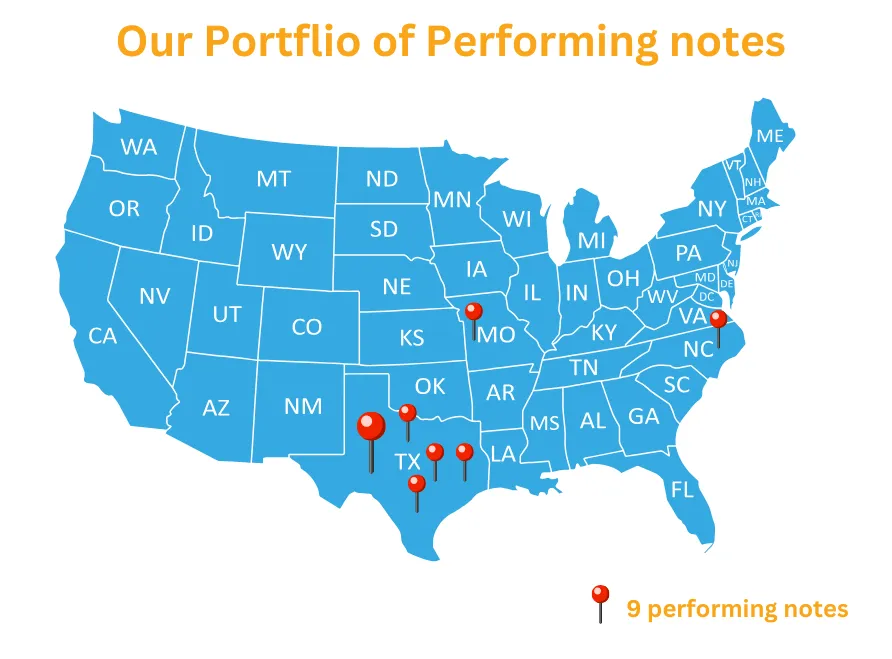
Our Assets
We strategically focus on a variety of asset types in order to create a strong and diverse portfolio of assets that can hedge against economic uncertainties. Creating safer investment opportunities for our investors.
FREE Educational
Materials
Learn important investing concepts and strategies at your own pace with our "Savvy Passive Investor" series on YouTube
FREE Educational Materials
Learn important investing concepts and strategies at your own pace with our "Savvy Passive Investor" series on YouTube
Latest News

Can You Really Make Money During Inflation?
Inflation affects everyone. Prices go up, but your money doesn’t go as far as it used to. Groceries cost more, rent increases, and everyday expenses slowly eat away at your savings.
For most people, inflation feels like a loss. But here’s the surprising truth: some investors actually make money during inflation.
How do they do it? By investing in assets that can adjust as prices rise—one of the most effective being multifamily real estate.
Why Inflation Hurts (and Why It Doesn’t Have To)
Inflation doesn’t take money directly from you. Instead, it reduces your purchasing power. The same amount of money buys fewer goods and services over time.
That’s why holding too much cash or relying on investments that don’t grow can be risky during inflationary periods. To protect your wealth, your investments need to grow at least as fast as inflation—preferably faster.
Why Apartment Buildings Are Different
Not all real estate is valued the same way.
Single-family homes are typically valued by comparing them to nearby homes that recently sold. Apartment buildings, however, are valued based on how much income they generate.
Simply put:More income = higher value
This income-based valuation is what makes multifamily real estate especially powerful during inflation.
Short Leases Create Flexibility
Most apartment leases are one year or less. That means rents can be adjusted regularly as market conditions change.
As inflation pushes costs higher across the economy, apartment owners can gradually increase rents to help offset rising expenses. This flexibility is something many other investments—like office or retail properties with long-term leases—don’t have.
A Simple Example
Imagine a 100-unit apartment building.
Rents increase modestly
Expenses also rise due to inflation
But rent increases apply to all income, while inflation only affects part of the expenses
The result?
Cash flow remains strong or increases
The property’s value grows
The investment stays protected against inflation
Even when rent growth is modest, apartments tend to provide a built-in buffer that helps investors avoid losing money to inflation.
A Proven Track Record
Historically, multifamily real estate has performed well during inflationary periods. Over several decades, it has outpaced inflation more consistently than many traditional investments, including the stock market.
This combination of steady income, value growth, and lower volatility is why many investors consider multifamily real estate a core part of a long-term portfolio.
Final Thoughts
Inflation is unavoidable—but how it affects you is a choice.
You can allow inflation to slowly reduce your buying power, or you can invest in assets designed to adjust, adapt, and grow in rising-price environments.
Multifamily real estate offers a practical way to protect your money while positioning yourself for long-term growth.
Ready to stop losing money to inflation?
Multifamily real estate has helped investors build steady income and long-term wealth for decades. If you’d like to learn how to get started, connect with us to explore how multifamily investing can work for you.

LEAVE A REPLY

Check Out Our Latest BLOG Post
Can You Really Make Money During Inflation?
Inflation affects everyone. Prices go up, but your money doesn’t go as far as it used to. Groceries cost more, rent increases, and everyday expenses slowly eat away at your savings.
For most people, inflation feels like a loss. But here’s the surprising truth: some investors actually make money during inflation.
How do they do it? By investing in assets that can adjust as prices rise—one of the most effective being multifamily real estate.
Why Inflation Hurts (and Why It Doesn’t Have To)
Inflation doesn’t take money directly from you. Instead, it reduces your purchasing power. The same amount of money buys fewer goods and services over time.
That’s why holding too much cash or relying on investments that don’t grow can be risky during inflationary periods. To protect your wealth, your investments need to grow at least as fast as inflation—preferably faster.
Why Apartment Buildings Are Different
Not all real estate is valued the same way.
Single-family homes are typically valued by comparing them to nearby homes that recently sold. Apartment buildings, however, are valued based on how much income they generate.
Simply put:More income = higher value
This income-based valuation is what makes multifamily real estate especially powerful during inflation.
Short Leases Create Flexibility
Most apartment leases are one year or less. That means rents can be adjusted regularly as market conditions change.
As inflation pushes costs higher across the economy, apartment owners can gradually increase rents to help offset rising expenses. This flexibility is something many other investments—like office or retail properties with long-term leases—don’t have.
A Simple Example
Imagine a 100-unit apartment building.
Rents increase modestly
Expenses also rise due to inflation
But rent increases apply to all income, while inflation only affects part of the expenses
The result?
Cash flow remains strong or increases
The property’s value grows
The investment stays protected against inflation
Even when rent growth is modest, apartments tend to provide a built-in buffer that helps investors avoid losing money to inflation.
A Proven Track Record
Historically, multifamily real estate has performed well during inflationary periods. Over several decades, it has outpaced inflation more consistently than many traditional investments, including the stock market.
This combination of steady income, value growth, and lower volatility is why many investors consider multifamily real estate a core part of a long-term portfolio.
Final Thoughts
Inflation is unavoidable—but how it affects you is a choice.
You can allow inflation to slowly reduce your buying power, or you can invest in assets designed to adjust, adapt, and grow in rising-price environments.
Multifamily real estate offers a practical way to protect your money while positioning yourself for long-term growth.
Ready to stop losing money to inflation?
Multifamily real estate has helped investors build steady income and long-term wealth for decades. If you’d like to learn how to get started, connect with us to explore how multifamily investing can work for you.
LEAVE A REPLY